Hospice Care – What Is Its Goal?
Hospice care doesn't mean giving up the fight – it gives seriously ill people dignity, freedom from pain and a sense of security in the final stage of life. Whether at home or in a specialised facility, it offers not only medical support but also emotional support for patients and their families. Learn how hospice care can help make the most of precious moments right to the end.
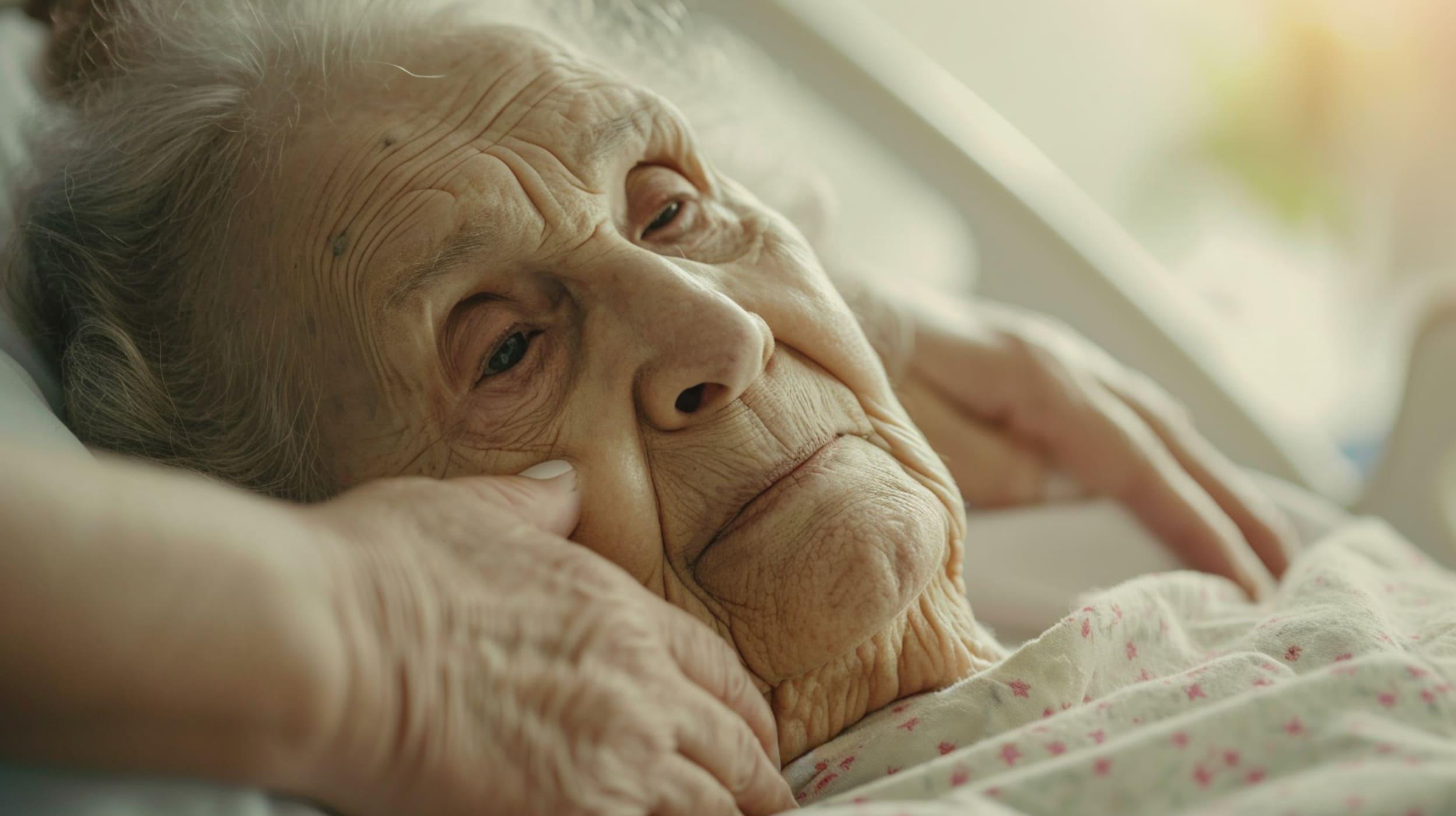
“My 94-year-old mother, who had been suffering from Alzheimer's and heart failure for some time, stopped getting up. She didn't want to eat and didn't respond to our attempts to reach her. At the hospital, I was told she had impaired consciousness. I wanted to care for her at home, but I needed help” (Jeanne). A fatal illness confronts both the sick person and their family with difficult challenges. Relatives face a difficult decision: should they prolong their loved one's life at all costs, even if it means more suffering for them? Or should they instead try to make the time that remains as worth living as possible? Hospice care is becoming increasingly accessible. It involves meeting the emotional, spiritual and social needs of terminally ill people, as well as pain relief. Some form of this care is available in roughly every second country in the world. In Africa, for example, most countries have already implemented, or begun implementing, corresponding programmes due to the rising number of AIDS and cancer cases.
The Goal of Hospice Care
Some patients may think that by choosing hospice care, they are giving up the fight for life. And their families sometimes believe that placing a loved one in a hospice means callously waiting for their death. But making use of such care doesn't mean passively resigning oneself to the inevitable. Rather, it aims to help the patient spend their final stage of life with dignity and as free of pain as possible, while maintaining contact with loved ones. This allows the family to offer support and comfort right up to the end.
Although hospice care is not aimed at curing a terminal illness, it does include the treatment of treatable complications such as pneumonia or urinary tract infections. If the patient's condition improves – for example, if the symptoms of the disease subside – they can continue to receive regular hospice care.
Advantages of Home Hospice Care
In some countries, hospice care is only offered by special facilities. Elsewhere, however, relatives can provide it at home. This gives the sick person the opportunity to participate in family life. This type of care fits the culture of many countries – for example, on the African continent, where relatives traditionally care for sick and elderly family members.
As part of home hospice care, caregivers often work with hospice teams made up of doctors, nurses, support staff and social workers. The hospice team provides expert advice on how to make the patient comfortable and explains the possible course of the dying process. The team members also try to take the wishes of the patient and family into account. For example, they don't carry out diagnostic tests or feed the patient through a tube if the family doesn't want this and the patient's digestive system is no longer functioning.
Dolores and Jean care for their 96-year-old father at home. As his condition worsens, they appreciate the help they receive. Dolores says: “Five days a week, a lady comes to help bathe our father. At our request, she also changes the bedding and helps care for his appearance. Once a week, a nurse checks our father's vital signs and replenishes his medication. A doctor visits us roughly every three weeks. If we needed their help more often, they would be available to us around the clock.”
The availability of qualified staff is an essential part of hospice care, as they can administer medication and painkillers while ensuring the best possible mental clarity for the patient. They can also provide oxygen. The support of an experienced team gives both the caregiver and the patient a sense of security and removes the fear of pain and other unpleasant symptoms at the end of life.
Heartfelt Care
Hospice staff understand how important it is to respect the patient's dignity at every stage of care. Martha, who worked in hospice care for over 20 years, says: “I got to know the patients – their likes and dislikes – and tried to make their final moments in life more pleasant. I was very close to some, and I genuinely loved others. Even when patients with Alzheimer's or dementia were sometimes aggressive and tried to hit, bite or even kick me, I always told myself that it wasn't the person behind that behaviour, but their illness.”
Speaking about the satisfaction she gained from working with caregivers, Martha says: “Thanks to my help, caring for their loved ones wasn't as overwhelming for them. Simply knowing that the hospice team was supporting them in carrying this burden brought them relief.”
If hospice care is available in the area, it's worth considering as an alternative to a hospital or nursing home. Jeanne, mentioned at the beginning, is glad she used the hospice programme. She explains: “Mum could be at home, surrounded by family who supported her physically, emotionally and spiritually. At the same time, she had professional help and medication that provided comfort. All the staff were competent and friendly. Their advice and experience proved invaluable. I believe Mum wouldn't have chosen any other form of care.”
The availability of a professional team is an essential part of hospice care.
She Was at Home with Us Until the End
A Mexican woman fought breast cancer for 16 years. Then it metastasised and the cancer became incurable. Her daughter Isabel talks about that time: “The whole family was very worried that our mother would suffer terribly. We prayed that she wouldn't have to endure the terrible pain that often accompanies the final stage of cancer. The answer to our prayers was the help of a local doctor specialising in palliative care. The doctor visited us every week, brought painkillers and explained how they should be dosed. She also gave simple, concrete instructions on caring for our mother. It reassured us greatly to know that no matter when we called, the doctor would surely come. It was a true blessing that our mother felt no pain at the end of her life, was calm, and even enjoyed being able to eat a little something. She was at home with us until the end. She died in her sleep.”
When the End Becomes Inevitable
Make sure the sick person's bed is dry and clean and the sheet is smooth. Change their body position regularly to prevent bedsores. If they can't control their bodily functions, change their underwear or nappies as needed. Suppositories and enemas help keep the bowel clear. To ease the suffering of a dying person, it isn't necessarily required to give them food and drink. Their mouth can be moistened with ice cubes, a damp swab or lip balm. In the final moments, simply holding the sick person's hand brings relief. It's also worth remembering that, right up to the end, they may still be able to hear the conversations going on around them.
Don't Miss These Articles!
Polish Caregiver in Munich: What You Should Know Before Deciding
More and more families in Munich are choosing a Polish caregiver for 24-hour care. What really matters? We break down what's actually important.
Caring for the Elderly: The Key to Positive Ageing
Ageing is a natural stage of life that brings both challenges and opportunities. Professional care helps seniors not only preserve their dignity and independence, but also lead an active, fulfilling life full of wonderful moments and positive experiences.