How to Face the Challenges of Ageing
Growing older brings challenges – but it's no reason for resignation. Many fears about memory loss, health limitations and social participation are widespread, but often unfounded. Learn how to stay mentally sharp, recognise depression, and actively shape your life even in old age. What role do nutrition, social contacts and continuous learning play? This article offers valuable tips and dispels myths – for self-determined, dignified ageing. Read on and discover new perspectives!
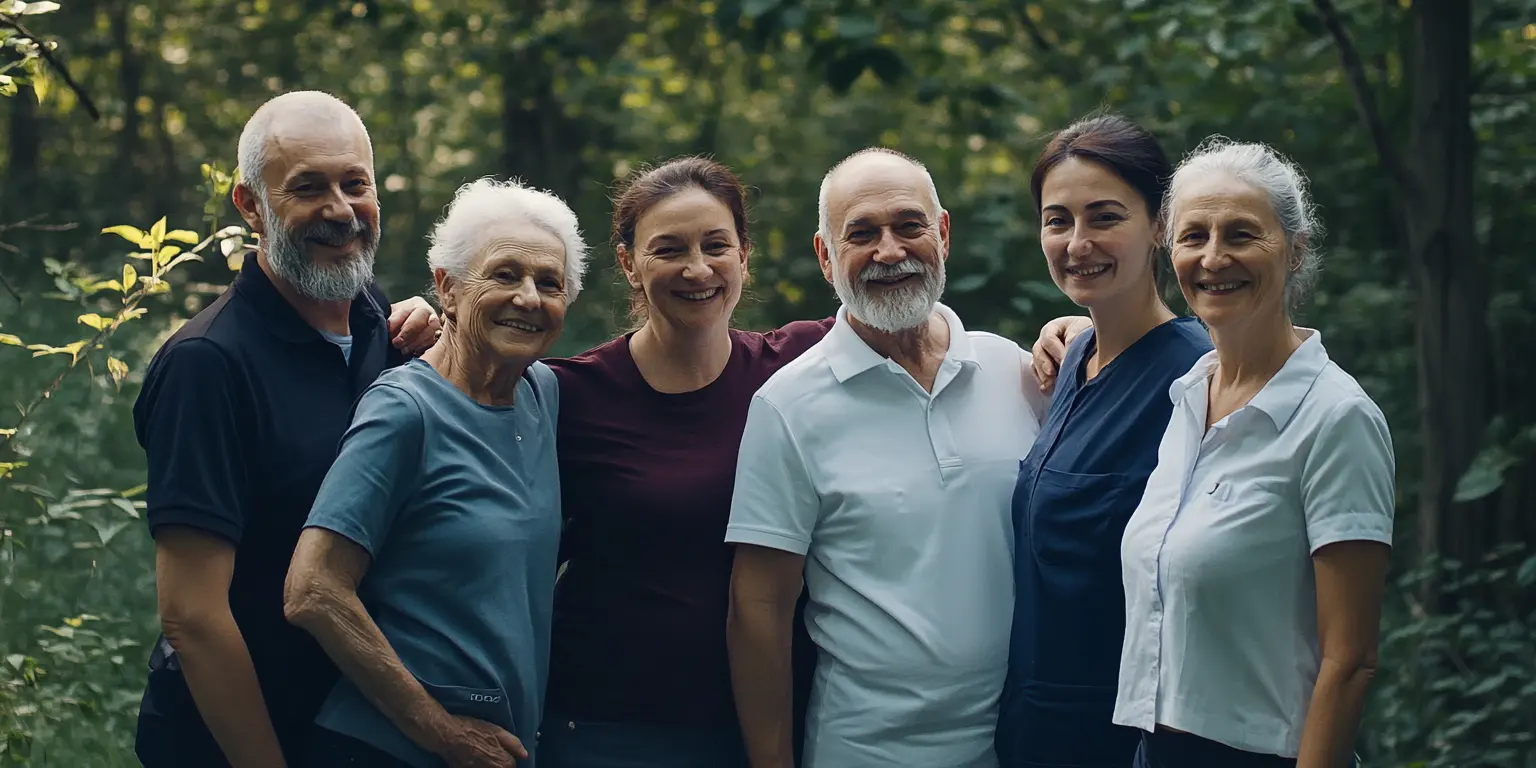
“Our life lasts seventy years, or eighty if we are strong; yet the best of it is only toil and trouble, it passes quickly, and we fly away.” This poetic work, composed three thousand years ago, confirms that grappling with the effects of old age is an age-old problem. Despite impressive advances in medicine, ageing continues to bring numerous difficulties. How do some people cope with it?
A Mature Mind, Yet Still Sharp
“What I fear most is dementia,” confessed 79-year-old Hans. Like many older people, he worries that his memory is getting worse and that he's losing control over what an ancient poet called “the golden bowl” – the precious brain, the seat of thoughts and memories. Hans wonders whether the decline in mental faculties is an inevitable consequence of ageing.
You may also forget names and worry that temporary memory lapses are the beginning of a serious decline in mental capacity. Fortunately, it has been found that forgetfulness happens to people of all ages, and that changes in mental function that older people may experience are usually not caused by dementia. Although memory can be unreliable in old age, “most people reach an advanced age while retaining full control of their mental faculties,” writes Dr. Michael Levy of the university hospital on Staten Island, New York.
It's true that younger people generally recall specific facts more quickly. But “if you disregard speed,” says neurologist Richard Restak, “older people usually don't perform worse than younger ones.” With the right training and practice, older people with an alert mind continue to learn, remember, and develop certain skills.
Memory Problems and Treatable Conditions
But what if someone has more serious memory problems? This shouldn't immediately be attributed to dementia. Memory disorders and sudden confusion can be caused by various age-related conditions that are treatable. Such disorders are often mistakenly viewed as a consequence of “old age” or “dementia.” Such diagnoses are sometimes made by uninformed doctors. For older people, this is humiliating and can mean they don't receive proper medical help. What disorders might be involved?
Causes of sudden confusion can include malnutrition, dehydration, anaemia, head injuries, thyroid dysfunction, vitamin deficiency, medication side effects, or even a change of environment. Memory problems are often the result of prolonged stress, and confusion can be caused by various infections. Depression can also cause such disorders. That's why “a sudden state of confusion should never be ignored or written off as hopeless dementia,” advises Dr. Levy. Thorough medical examinations help determine the causes of such symptoms.
How to Deal with Depression
The feeling of being downhearted is foreign to no one. Unfortunately, depressive states in older people are often unrecognised or misdiagnosed.
Because of the widespread but mistaken belief that everyone becomes depressed and moody with age, such states are often seen as a normal part of ageing – both by those around them and by older people themselves. “However, this isn't true,” explains the book Treating the Elderly. “Depression is not part of the normal ageing process.”
Long-lasting depression – unlike ordinary sadness or temporary low spirits – is a serious illness. It can have dangerous consequences and shouldn't be underestimated. Left untreated, it can deepen to the point where some desperate people are driven to suicide. According to Dr. Levy, the tragedy of older patients suffering from depression is that it is “the most easily curable of all mental illnesses, yet also potentially the most deadly.” If the depression persists, it may be worth seeing a specialist in mood disorders.
You Are Not Useless
Do not cast me off in my old age; do not forsake me when my strength fails – such feelings are familiar to older people in the 21st century too. They fear that no one will need them anymore. The limitations of poor health can easily give rise to feelings of inferiority, and retirement can undermine self-respect.
However, if we focus on what we can still do, rather than being discouraged by what we can no longer manage, we preserve our sense of usefulness and dignity. That's why a UN report encourages “continued growth through formal and informal education, social engagement, and religious activity.”
Ernest is from Switzerland and once worked in a bakery; now he's retired. He's an example of the benefits continuous learning can bring. In his seventies, he decided to buy a computer and learn how to use it. Why did he decide to do this, even though technology intimidates many people his age? “Firstly,” he explained, “it keeps my brain active. And secondly, I want to keep up with technological advances that help me get involved in various activities.”
Engaging in meaningful activities can meet many of older people's needs. They preserve the feeling of doing something worthwhile, derive satisfaction from it, and sometimes even an income.
Do What You Can.
In many societies, it is seniors who pass on knowledge and moral and spiritual values to the younger generation. But what happens when older people face considerable limitations due to poor health or other circumstances? 79-year-old Anna worried about exactly this. People limited by age-related ailments are valuable to those around them when they generously share their experience and other assets. But questions arise: What future awaits older people? Can we realistically expect a better life despite advancing age?
Important information: some researchers claim that “almost 90 percent of people over 65 do not have dementia.”
In today's hectic society, older people often feel overlooked. How can you help older people?
- Respect their dignity
- Show empathy
- Recognise when they need encouragement.
Don't Miss These Articles!
Senior Care in Germany: Joys and Challenges
Caring for the elderly in Germany is becoming increasingly important given the growing number of seniors. This responsible task not only offers the chance to share joy and love with those in need of care, but also presents caregivers with a wide range of challenges to overcome.
Respecting the Dignity of the Sick – Alzheimer's Disease
The dignity of people with Alzheimer's is of the utmost importance, and it's essential to treat them with respect by including them in conversations and supporting their abilities.